From Silos to Synergy: Why ITAM and ITAD Work Better Together
Written by
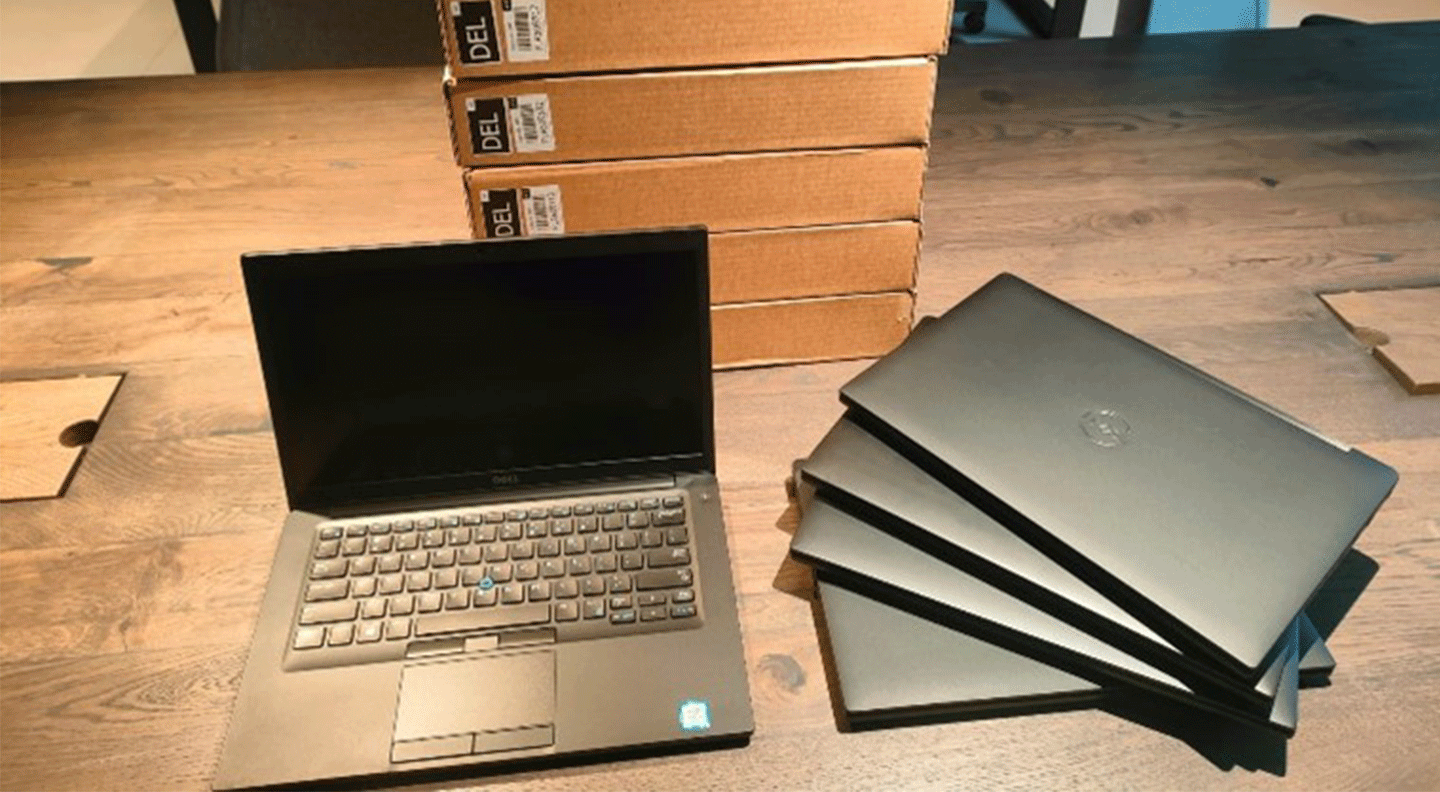
As technology lifecycles accelerate and data regulations tighten, the relationship between IT Asset Management (ITAM) and IT Asset Disposition (ITAD) has become more of an operational necessity. When these two functions operate as one unified ecosystem, organizations gain end-to-end visibility and control over every device, from acquisition and deployment to decommissioning, remarketing and final disposition. Enterprises that embrace this approach are unlocking new efficiencies, reducing risk and turning end-of-life assets into measurable business gains.
From Distinct Functions to a Unified IT Lifecycle
Historically, ITAM and ITAD operated independently – one focused on tracking assets in use, the other on disposing of them when removed from a live environment. Today’s leading organizations, however, are adopting integrated lifecycle management to govern an asset’s entire lifespan, ensuring that data and asset visibility flow seamlessly from procurement through decommissioning.
This unified approach provides a complete chain of custody and accountability across every stage of an asset’s life, eliminating gaps between systems and reducing the risk of lost, stolen or unaccounted-for devices. With holistic visibility, businesses can optimize refresh cycles, extend asset life where appropriate, and ensure that end-of-life processing aligns with compliance and sustainability standards.
Regulatory Compliance and Risk Management
Increasingly stringent regulations and evolving data protection framework laws hold organizations accountable for managing sensitive data throughout the entire asset lifecycle, not just during its active use.
A robust ITAD program integrated with ITAM provides full auditability, ensuring that every asset is tracked, processed and documented at end-of-life. Audit-ready documentation and real-time reporting allow organizations to demonstrate compliance and reduce the risk of costly penalties or reputational harm.
Sustainability and Circular Value
Sustainability has become a defining business priority, and ITAD plays a critical role in achieving it. As organizations strive to understand and reduce the environmental impact of their technology, integrating ITAM and ITAD programs allows for data-driven decisions that minimize waste and maximize reuse. By tracking the lifecycle of assets from procurement through disposal, ITAM provides the visibility needed to measure environmental impact, while ITAD leverages that insight to make responsible, eco-friendly choices.
For many clients, this approach also translates into financial benefit. By recovering residual value through remarketing and certified resale, ITAD programs help offset refresh costs and reduce total cost of ownership (TCO). This creates a powerful synergy between sustainability and profitability, two goals that once seemed at odds.
Security at Every Stage
One of the primary concerns during ITAD is the secure handling of data bearing devices. An integrated ITAD program ensures that assets flagged for disposition are instantly visible within ITAM systems, triggering secure, auditable workflows. This synchronization provides an unbroken chain-of-custody during the lifecycle of the IT assets.
Technology and Automation Drive Efficiency
Automation is transforming how organizations manage their IT lifecycle. Modern ITAM and ITAD platforms now share real-time data through APIs and integrated dashboards, enabling asset managers to track status, condition and location. Automated workflows replace manual processes, ensuring faster processing and consistent documentation.
With complete visibility, organizations can make smarter decisions about when to refresh assets, where to redeploy them, and how to securely dispose of them, all while maintaining full control over data and reporting. The result is an efficient, closed-loop system that delivers measurable gains in speed, accuracy, and operational control.
Building a Smarter, More Secure Future
As the demands of data security, sustainability and lifecycle management intensify, the organizations that thrive will be those that treat IT asset disposition as a strategic advantage, not an afterthought. Enterprises that embrace this approach are not just meeting regulatory or environmental expectations; they’re gaining a competitive advantage through better control of assets and quantifiable value recovery.
At SLS, we help global enterprises put this strategy into action. With more than two decades of experience managing complex IT and data center programs, SLS combines industry-leading data security, environmental responsibility and value recovery expertise to deliver measurable results.
Whether you’re scaling operations, preparing for audits or optimizing asset recovery, SLS is your partner in building resilient, future-ready IT asset programs.
Get Control of Your IT Asset Lifecycle
Explore how integrated programs improve regulatory compliance, centralize documentation, and ensure every retired asset is properly logged, tracked, and processed.
More Articles
-
Protected: Remanufactured GPUs for Scalable, Cost-Efficient AI
Read more: Protected: Remanufactured GPUs for Scalable, Cost-Efficient AI -
Maximize Value from Retired Tech
Read more: Maximize Value from Retired Tech -

Why the Secondhand Laptop Market Is Surging in 2026
Read more: Why the Secondhand Laptop Market Is Surging in 2026