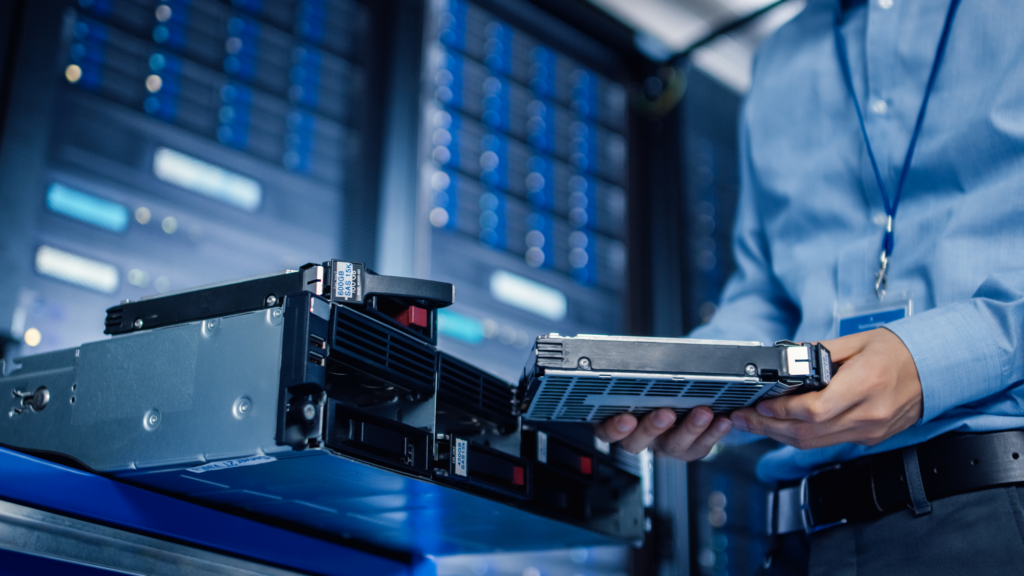
Maintain Legacy Tech During Cloud Migration
Legacy data center equipment
Stop refreshing hardware you’re planning to retire.
Many organizations continue paying OEM maintenance contracts and replacing hardware that already has an expiration date.
Avoid refresh. Extend value.
What is third party maintenance?
Third party maintenance (TPM) provides post-warranty support for servers, storage systems and networking equipment. It can help organizations maintain critical infrastructure, consolidate support across multiple manufacturers and avoid refreshing equipment that will soon be retired. TPM often reduces costs while extending equipment life.
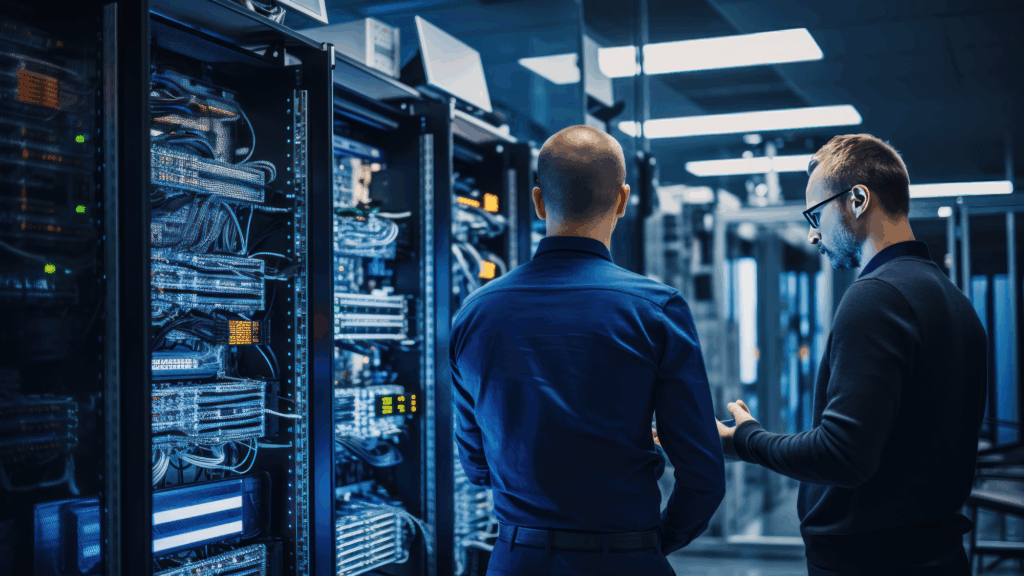
One contract. Multiple vendors. Less complexity.
Why use TPM during a cloud migration?
TPM allows organizations to maintain critical infrastructure while workloads transition to the cloud, avoiding unnecessary hardware refreshes and support contract costs.
SLS provides multi-vendor hardware support across legacy infrastructure operating in data centers, colocation facilities, and hybrid cloud environments. One contract. One support model. One escalation path.
Support includes:
- Third-party maintenance
- Break/fix services
- Critical spare parts
- SLA-backed response options
- Server support
- Storage support
- Network equipment support
Your migration timeline should drive your support strategy
Cloud migration projects rarely happen on schedule. Infrastructure expected to be retired in six months often remains operational for several years.
SLS helps organizations align maintenance agreements with migration realities rather than vendor hardware refresh cycles.
SLAs ensure quick action
SLS offers extended support and maintenance for legacy servers, storage, and networking equipment, bolstered by SLAs. Our primary objective is to promptly rectify issues and restore optimal functionality to your data center, minimizing downtime and maximizing productivity.
Service levels are aligned to the criticality of the equipment and applications. This extended support covers all manufacturers and provides an important service bridge as you complete your cloud migration.
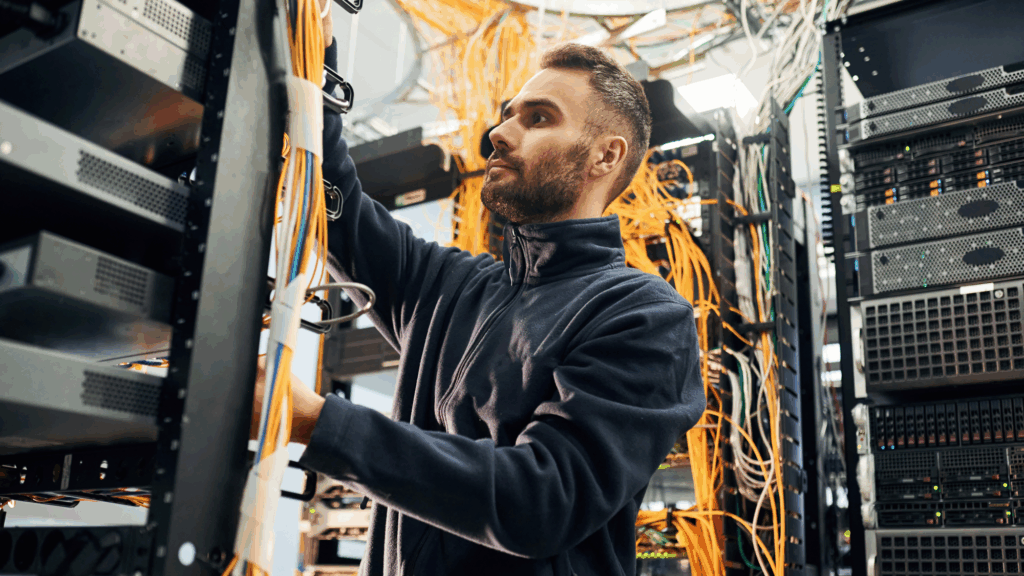
How SLS can help
SLS provides a flexible maintenance model as bridge support for mixed-OEM environments during migration, with coverage aligned to the period that the hardware remains necessary..
Third-party maintenance can help you:
- Extend the useful life of legacy hardware
- Maintain service during a phased migration
- Reduce post-warranty maintenance costs
- Support equipment from multiple vendors
- Avoid unnecessary capital investment
- Shift budget toward transformation projects
Frequently Asked Questions
The ultimate guide to third party maintenance
You have questions.
We have answers.
Can TPM support equipment from multiple manufacturers?
Yes. Multi-vendor TPM programs consolidate support for servers, storage, and network equipment under a single provider.
How can I avoid paying maintenance on equipment scheduled for retirement?
The first step is to identify which assets are critical to ongoing operations and which are nearing end of use.
In many cases, organizations reduce costs by aligning support contracts with migration milestones, transitioning selected systems to third-party maintenance, or retiring equipment sooner once workloads have moved. A review of infrastructure, support obligations, and migration schedules can help prevent unnecessary maintenance spending while maintaining operational continuity.
When should my company switch from OEM support to third-party maintenance?
There is no single trigger point, but many organizations evaluate third-party maintenance when infrastructure is stable, approaching end of support, or expected to remain in service during a multi-year migration project.
The decision often depends on factors such as budget, remaining useful life, hardware criticality, and migration timelines. For equipment expected to be retired within the next few years, third-party maintenance can provide continued support while helping organizations avoid renewing costly OEM contracts on assets that are no longer part of their long-term strategy.
What happens when OEM support ends before a cloud migration is complete?
Cloud migrations often take longer than originally planned, which can create situations where infrastructure remains in production after OEM support has expired. When this happens, organizations typically evaluate their options, which may include extending OEM support, replacing hardware, accelerating migration efforts, or using a third-party maintenance provider.
The most appropriate approach depends on business requirements, risk tolerance, application dependencies, and the expected timeline for retiring the equipment. Having a support strategy before OEM coverage expires can help reduce disruption and avoid unplanned costs.
Third-party maintenance vs OEM support: which is better during cloud migration?
Third-party maintenance is often considered for mature infrastructure that remains operational during migration but is not expected to be part of the long-term environment.
Many organizations use a combination of both approaches, maintaining OEM coverage for strategic systems while using third-party maintenance to support infrastructure scheduled for eventual retirement. The key is matching support investments to business needs and migration timelines rather than treating all infrastructure the same.
Moving to the Cloud?
SLS helps organizations manage legacy infrastructure with less cost, less complexity, and less risk.