Evolving Macrotrends in ITAD: What 2026 Demands from the Industry
Written by
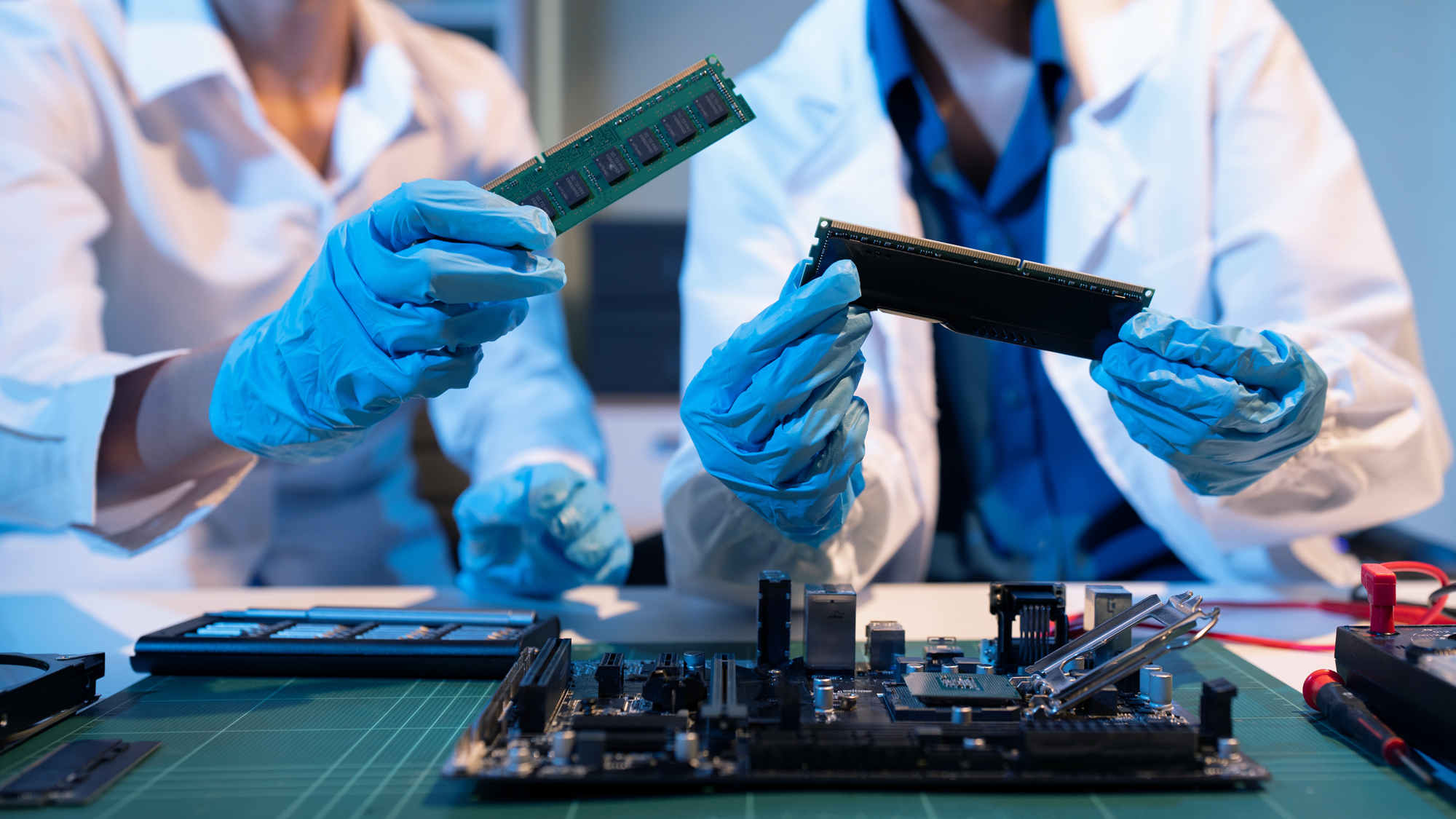
As digital transformation continues to accelerate across every sector, the role of IT Asset Disposition (ITAD) has shifted from an operational necessity to a strategic business function. Since we last explored macro-level trends affecting ITAD and electronics recycling in 2022, the landscape has evolved rapidly, driven by advances in AI, shifting regulatory frameworks, and escalating sustainability demands. In 2026, these forces are reshaping how companies manage end-of-life IT assets and measure the value of their ITAD programs.
AI and Robotics in ITAD: 2026 Automation Trends
Artificial intelligence and automation are no longer emerging trends, they are now essential tools for scalable, high-performance ITAD. Robotics, machine learning, and digital twin technology are being integrated into asset recovery and processing operations to enhance speed, accuracy, and traceability. These technologies reduce human error, accelerate asset classification, and enable more precise component-level recovery. As ITAD vendors like SLS adopt and refine these tools, clients benefit from faster turnaround, and more consistent outcomes.
Global Compliance and E-Waste Regulations Impacting ITAD
Governments worldwide have introduced stricter e-waste regulations aimed at improving transparency, traceability, circularity and environmental outcomes. From the European Union’s Right to Repair legislation to updated U.S. state-level e-waste mandates, companies are under growing pressure to prove compliance and ensure secure, responsible disposal of retired devices. As regulations evolve, ITAD providers must offer detailed reporting, certified data destruction, and documented chain of custody to help clients remain audit-ready.
Sustainability and ESG: ITAD’s Role in Circular IT
Sustainability has gone from a buzzword to a driving force in procurement and asset management. Enterprises are being evaluated not just on what they do, but how they do it. ITAD now plays a critical role in improved sustainability and circularity, with organizations prioritizing reuse over recycling, measuring carbon offset from asset repurposing, and demanding circular economy alignment from their partners.
At SLS, for example, we repurposed over 8.8 million assets last year—a key contributor to helping clients reduce scope 3 emissions and avoid the environmental cost of manufacturing new devices. Our transparent environmental reporting supports corporate sustainability disclosures and compliance with global frameworks.
The ITAD Market Is Expanding and Maturing
The global ITAD market continues to grow, fueled by rising enterprise refresh cycles, data privacy concerns, and heightened awareness of e-waste. Recent forecasts predict continued double-digit growth through the end of the decade, with the most successful ITAD partners being those who can combine scale, innovation, and regulatory expertise.
Meeting the Moment with Smarter ITAD
The macrotrends shaping ITAD in 2026 require more than transactional services – they demand strategic, tech-enabled partnerships. Organizations need ITAD providers that understand the full lifecycle of IT assets, can navigate a complex regulatory landscape, and offer transparent, sustainability-driven solutions. At Sims Lifecycle Services (SLS), we continue to invest in automation, compliance, and circularity to ensure our clients are ready not just for today’s challenges, but tomorrow’s as well.
Seeking a Trusted ITAD Partner?
SLS brings consistency, compliance, and transparency across every site. From pickup to portal, we’ve got you covered.
More Articles
-

Reduce Hardware Maintenance Costs During Cloud Migration
Read more: Reduce Hardware Maintenance Costs During Cloud Migration -
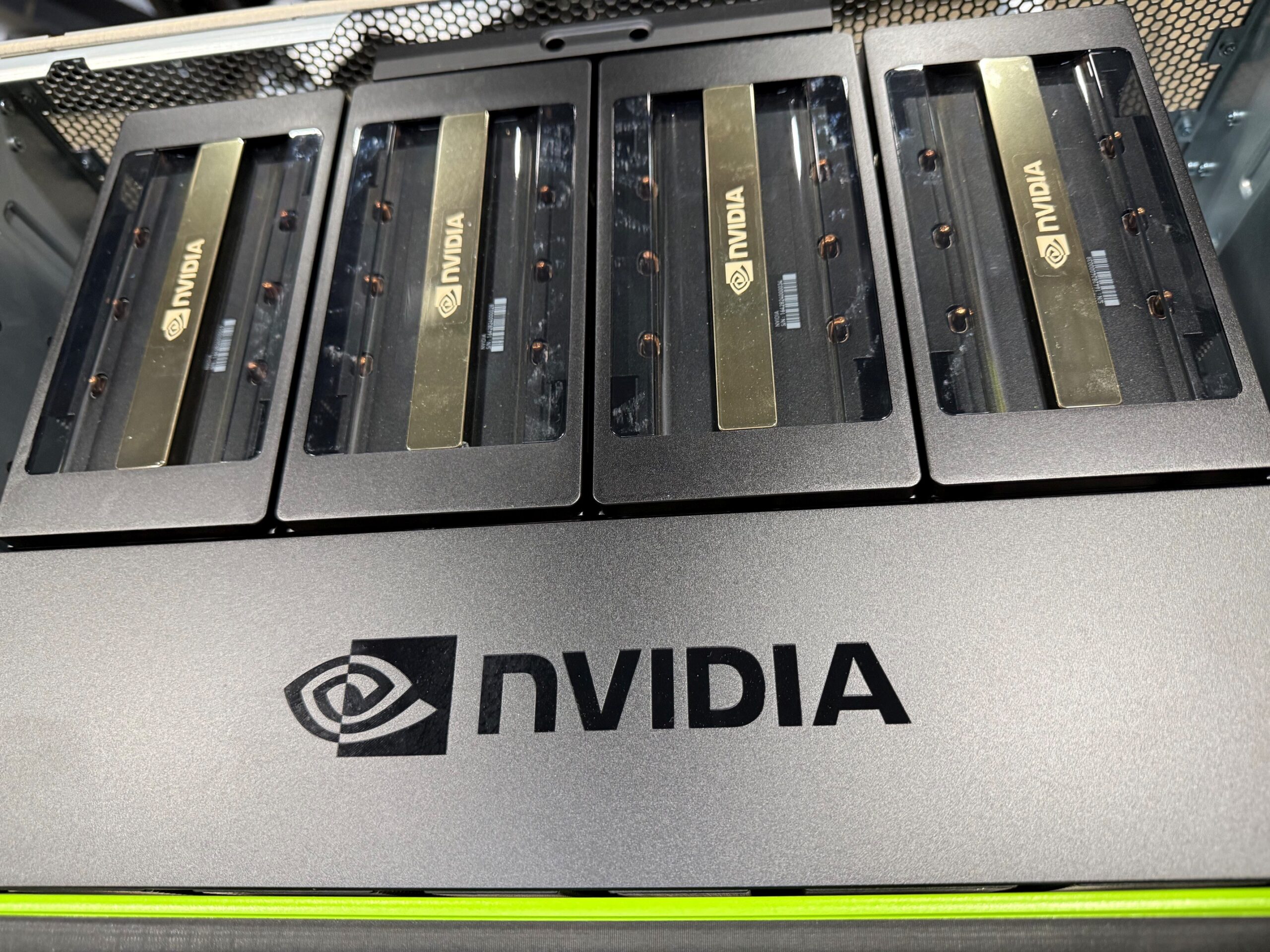
ValidCore – Recertified GPUs for Scalable, Cost-Efficient AI
Read more: ValidCore – Recertified GPUs for Scalable, Cost-Efficient AI -
Maximize Value from Retired Tech
Read more: Maximize Value from Retired Tech