
Over the past few years, Europe’s data center expansion has shifted into high gear. What once was steady growth in established hubs like Frankfurt, London, Amsterdam, Paris and Dublin (FLAP-D) is now being challenged by regulatory constraints, rising energy demand and surging interest beyond traditional markets. As AI and HPC continue accelerating demand, the landscape is changing fast.
What’s New?
Power Demand is Exploding
- Recent forecasts show Europe’s data center electricity consumption is on course to nearly triple by 2030, rising from 62 TWh today to approximately 150 TWh. This rise is due to not only the emerging number of data centers, but the high-powered computing hardware they operate.
- Power demand in Europe’s data centers in kilowatt load is expected to grow from 10 GW now to around 35 GW by 2030 ¹.
Shifting Investments in New Markets
- Traditional FLAP-D markets are constrained: grid congestion, high land and power prices, and longer permitting timelines are squeezing new capacity.
- As a result, Northern Europe (the Nordics), Southern Europe (especially Spain, Portugal), and Eastern Europe are seeing surging interest. These areas often offer cleaner energy sources (hydro, wind, solar), lower grid congestion, incentives and often more favorable regulatory or utility environments.
- Secondary-markets (outside FLAP-D) are projected to see an estimated 110% growth by 2030, compared to 55% for the established FLAP-D hubs ².
Regulatory & Sustainability Pressure Is Growing
- EU policy initiatives like the Climate Neutral Data Centre Pact, stricter energy performance requirements, and demand for cleaner, renewable energy across data center operations are pushing operators to adapt.
- Investors and clients expect transparency: emissions reporting (Scope 1, 2, and increasingly Scope 3), renewable energy usage, water use, and even heat reuse are emerging as standard questions.
Amidst these emerging trends, sustainability remains a primary objective. Operators are under growing pressure to demonstrate environmental accountability across every stage of the infrastructure lifecycle.
What This Means for ITAD
With data centers proliferating across new markets, the volume of retired hardware is rising, and so is the need for secure, compliant and environmentally responsible asset disposition. Some forces driving this include:
- Equipment Lifecycles Are Shortening – As AI and high-density compute reshape infrastructure needs, hardware turnover is accelerating. Businesses must balance performance upgrades with sustainability expectations and financial realities. Advanced ITAD programs can resourcefully identify secondary uses for retired IT infrastructure and deliver financial and sustainability gains.
- ESG Reporting Is Driving Data Accountability – Sustainability disclosures are no longer optional. Companies must now account for Scope 1, 2, and increasingly Scope 3 and 4 emissions – including emissions avoided through circular asset management. Accurate, verifiable reporting requires transparent data from across the IT and data center lifecycle, from procurement to end-of-life.
- Collaboration Across the Value Chain Is Essential – The complexity of Europe’s data center evolution means no single organization can tackle sustainability goals alone. Operators, stakeholders, OEMs and ITAD partners must share data and coordinate efforts to close material loops, improve transparency and accelerate progress toward circular economy objectives.
Europe’s data center market is no longer defined by five cities, it’s a continent-wide transformation. As infrastructure spreads, so does the need for secure, sustainable and scalable ITAD solutions.
Let’s Collaborate
Learn more about our European ITAD capabilities. Let’s turn infrastructure change into financial gains and environmental progress.
More Articles
-

Reduce Hardware Maintenance Costs During Cloud Migration
Read more: Reduce Hardware Maintenance Costs During Cloud Migration -
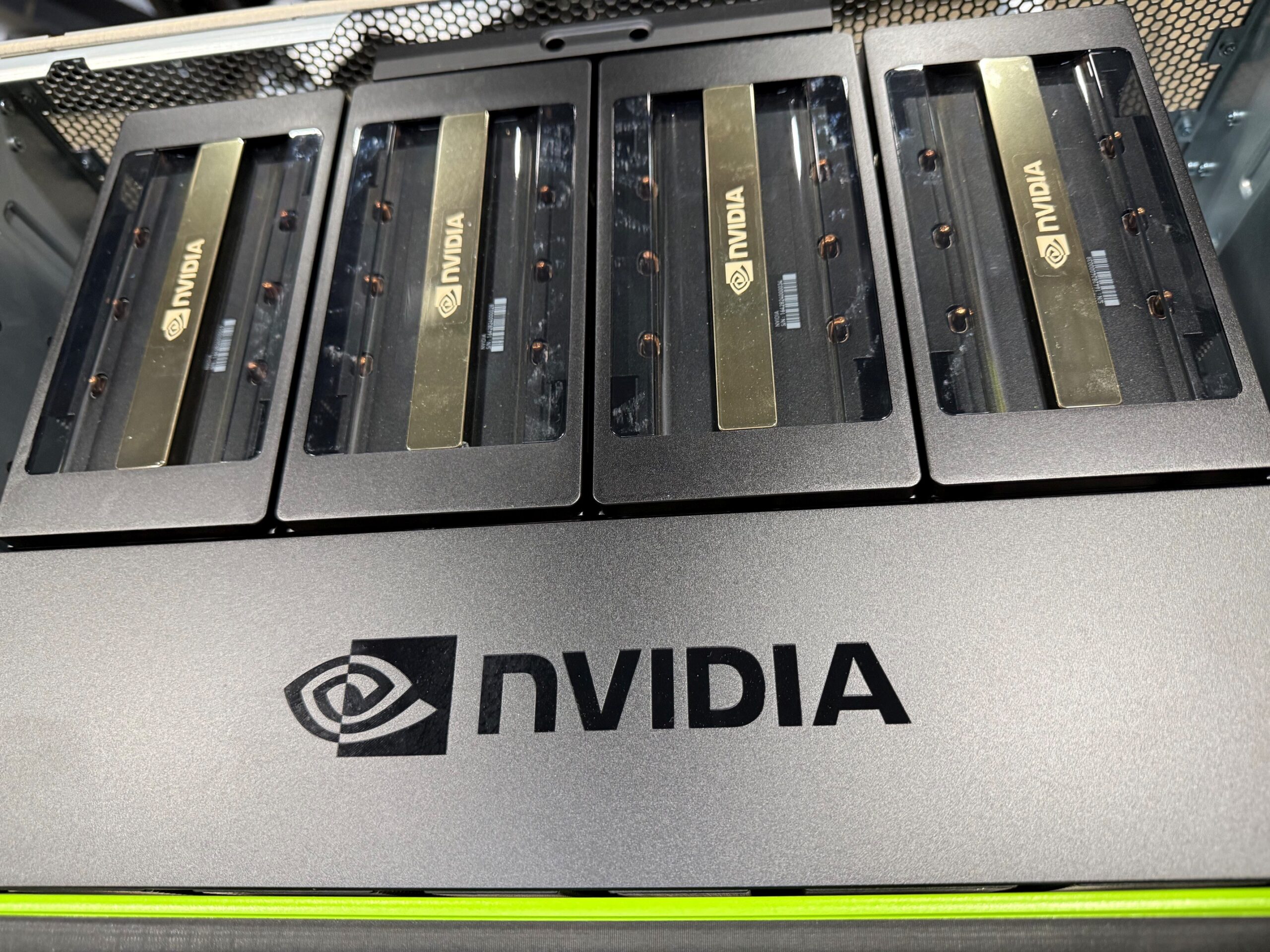
ValidCore – Recertified GPUs for Scalable, Cost-Efficient AI
Read more: ValidCore – Recertified GPUs for Scalable, Cost-Efficient AI -
Maximize Value from Retired Tech
Read more: Maximize Value from Retired Tech